

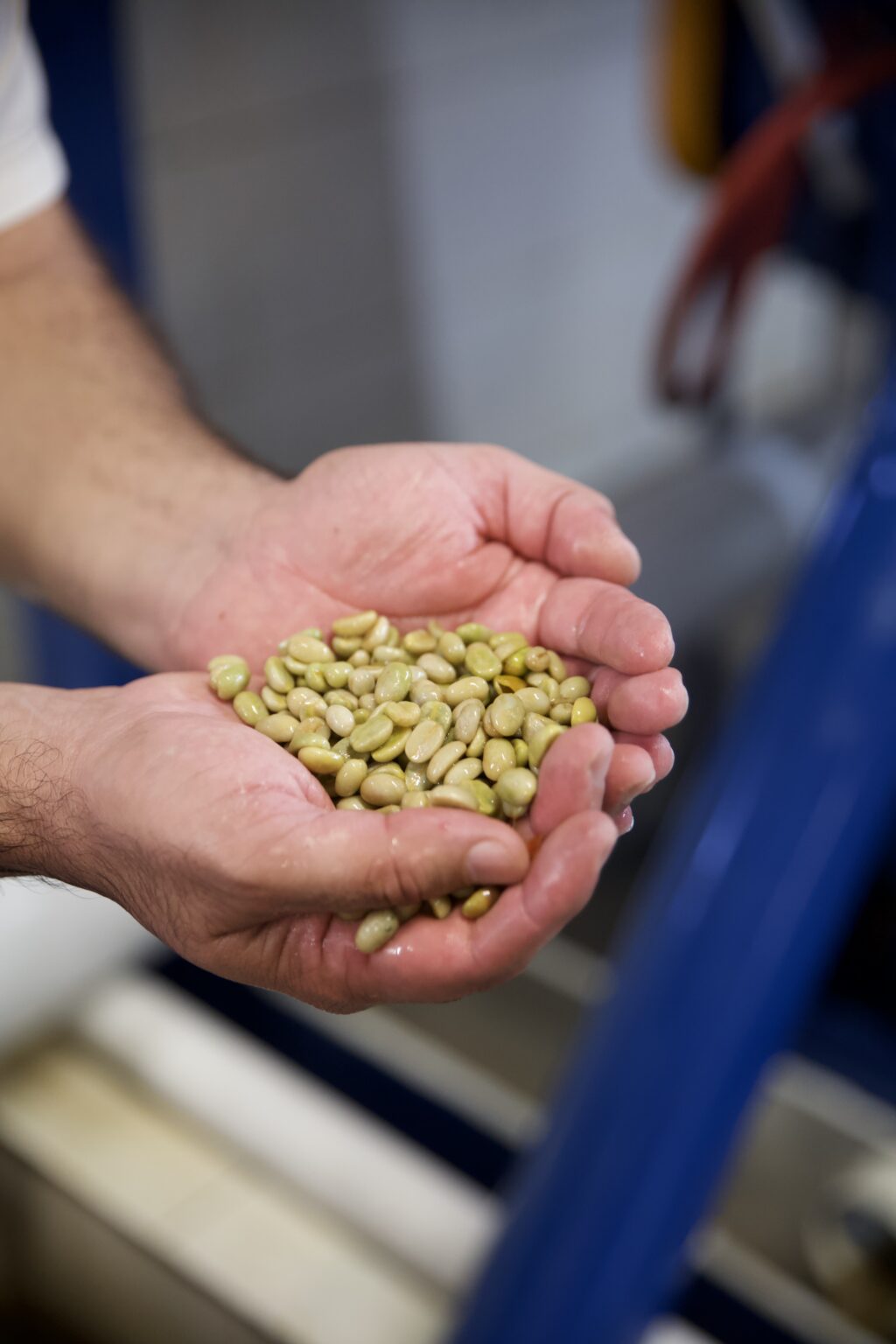
Before we dive into processing methods, it helps to start at the very beginning: the coffee cherry.
Most people talk about coffee beans, but they are not actually beans at all. They are the seeds found inside the fruit of the coffee plant, known as the coffee cherry.
Understanding what’s inside the cherry helps explain why processing matters so much, and why washed, natural and honey coffees can taste so different in the cup.
So, what is a coffee cherry?
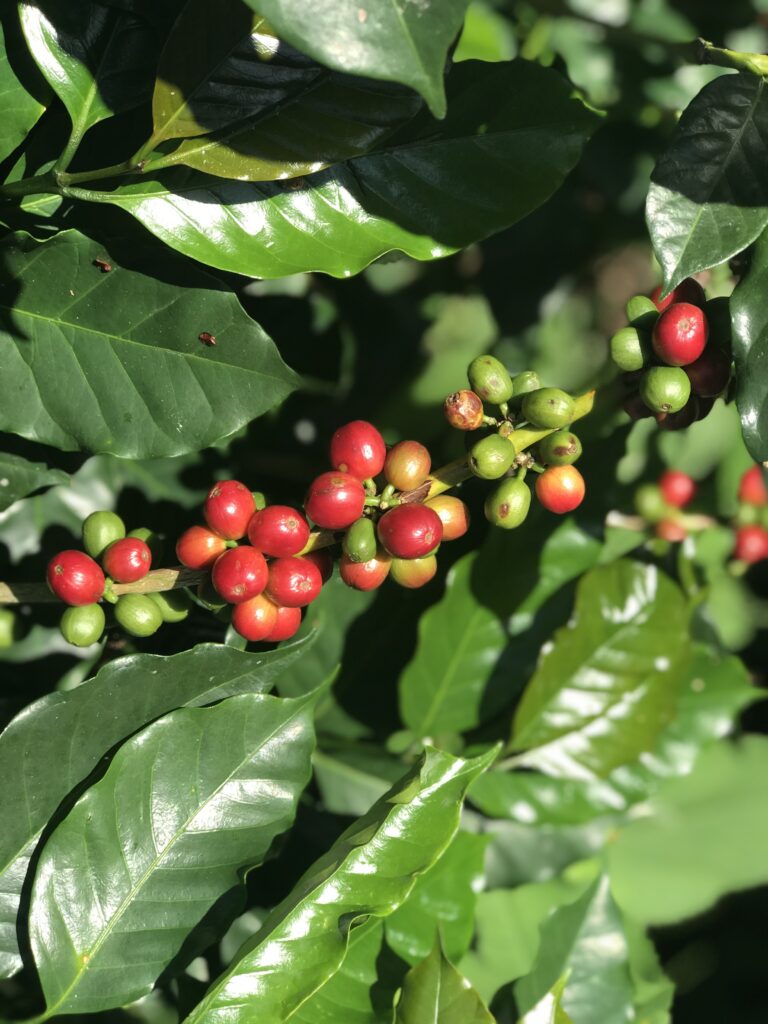
A coffee cherry is the fruit of the coffee plant. It starts green, then ripens through yellow, orange or red tones depending on the variety. Once ripe, it is picked and processed to reveal the seeds inside – the green coffee we later roast.
Most cherries contain two seeds, which develop with their flat sides facing each other. Occasionally, a cherry produces only one rounded seed, known as a peaberry.
What’s inside a coffee cherry?
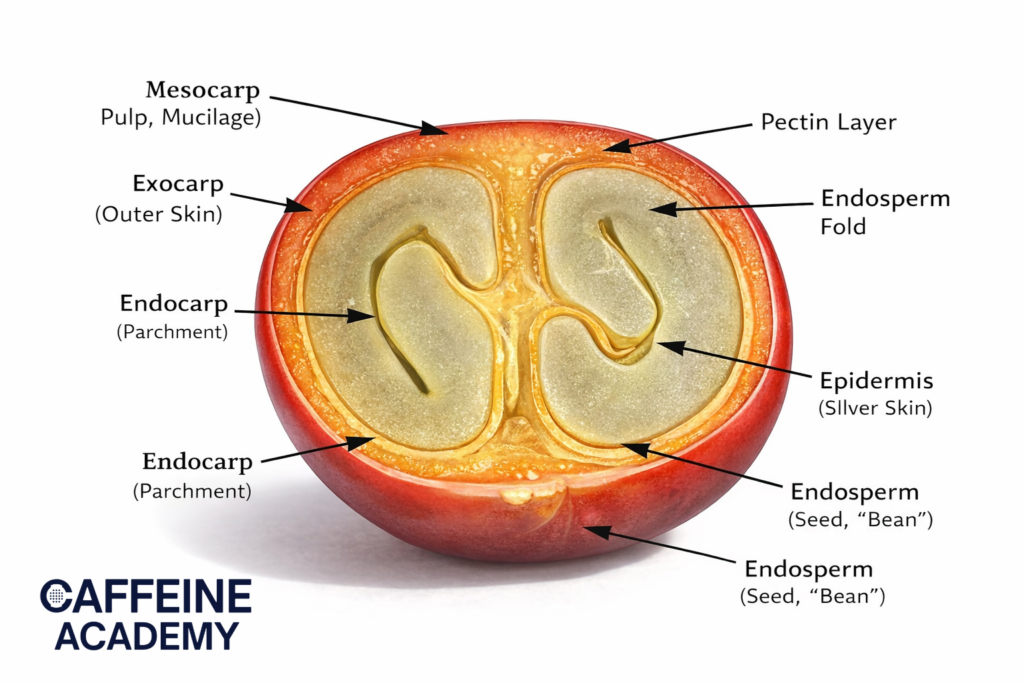
A coffee cherry has several layers, and each one plays a role in how coffee is processed.
1. Outer skin (exocarp)
This is the cherry’s outer layer. It is green when unripe and turns red, yellow or orange as it matures.
2. Pulp (mesocarp)
Beneath the skin is the fleshy fruit layer. This is where much of the fruit’s sweetness sits.
3. Mucilage
This sticky layer surrounds the parchment and is rich in sugars. It is one of the most important parts of the cherry when it comes to processing and fermentation.
4. Parchment (endocarp)
This is a papery protective layer around the seed. It is usually removed later in milling.
5. Silverskin
A very thin layer that clings tightly to the seed. During roasting, this becomes what we know as chaff.
6. The seed
This is the part we roast and brew — what we commonly call the coffee bean.
Why does this matter?
Because processing is really just the method of removing these layers.
The way producers remove the fruit, mucilage and parchment affects sweetness, body, clarity and acidity in the final cup.
For example:
- Washed coffees have the fruit and mucilage removed before drying, which often gives a cleaner, brighter cup.
- Natural coffees are dried with the fruit still on the seed, which usually leads to more fruit-forward flavours, more body and more sweetness.
- Honey or pulped natural coffees sit somewhere in between, with some mucilage left on during drying.
So before we even get to roast profile or brew method, the structure of the coffee cherry is already shaping what ends up in your cup.
A quick note on peaberries
In a small number of cherries, only one seed develops instead of two. This creates a rounder seed called a peaberry.
Some people believe peaberries taste sweeter or more concentrated, while others see them simply as a natural variation. Either way, they roast a little differently because of their shape, so they are often separated from regular lots.
Why we’re starting here
If you want to understand coffee processing, flavour development and why coffees from different origins behave differently, the coffee cherry is the perfect place to begin.
It is easy to think of coffee as a roasted product in a bag, but long before that it is a fruit – and every layer of that fruit influences what happens next.
Next up in Caffeine Academy: Coffee Belt
Read the Previous Caffeine Academy article: The Story of Coffee Begins with a Myth
Are you interested in Caffeine Academy education for your team? Reach out to us here.